
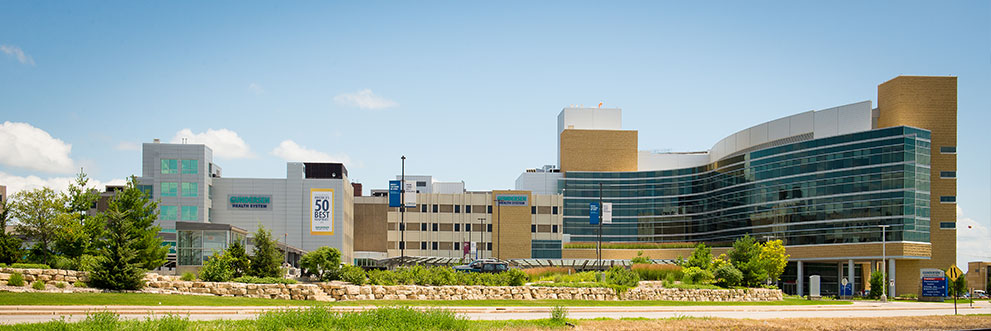

Patient
I brought my wife to the Onalaska clinic because she was vomiting. After running tests, they found her lipid levels were over 500 and diagnosed her with mild pancreatitis. Her vitals were stable and the CT scan showed no damage, so they transferred her to the main hospital for further observation. That's when things took a turn for the worse. When she arrived at the hospital, no one connected her to any vital monitoring equipment, and no doctor came in to assess her. I had to personally request that a doctor see her. When the doctor finally came, I asked about the treatment plan. To my surprise, she said they couldn't tell yet if it was a mild or severe case because pancreatic damage may not appear for up to three days after symptoms begin. The plan was to put her on a liquid diet and wait. The doctor then asked about my wife's alcohol use. We explained--again--that my wife does not drink and is allergic to alcohol. Incredibly, the doctor began Googling her medications in the room to learn about their side effects and treatment approaches. This did not instill any confidence. The doctor then launched into a long explanation about how deadly pancreatitis can be and how even patients with mild cases can crash suddenly and die. Meanwhile, my wife still wasn't being monitored--she was only on an IV drip. When I asked why she wasn't hooked up to vitals, the doctor said it wasn't necessary because she "wasn't that bad." I sarcastically responded, "Thank God her condition isn't that bad," and the doctor began another speech about the potential seriousness and fatality of pancreatitis. Frustrated, I told her, "I don't care what could happen. I care whether my wife is going to be okay." Only then did she finally say, "Yes, she should be fine." And yet, just five minutes later, the same doctor returned and asked my wife, "If your heart stops or you stop breathing, do you want us to revive you?" It was surreal. The nurses didn't offer much reassurance either. They repeatedly questioned my wife about alcohol use, despite being told multiple times that she doesn't drink and is allergic to alcohol. We had to repeat ourselves again and again. The next day, they took her down for a procedure. I wasn't informed beforehand. I tried calling my wife that morning and got no answer. I called the hospital and couldn't get through to her nurse. All the while, I was thinking she might be in danger due to what we were told was a potentially deadly condition. Eventually, a receptionist told me she was undergoing a procedure--but didn't know what it was--and said the nurse would call me. An hour later, the nurse finally called to explain they were doing a scope to examine any damage. Still, no doctor came to explain the results. Instead, a nurse read from her notes and told us it looked like a mild case of pancreatitis with some stomach ulcers, likely caused by Trulicity. We had still not spoken with a doctor. It wasn't until three or four days into the hospital stay that a completely new doctor came in, reviewed everything, and told us her pancreas was fine--she had GERD. After all the stress, warnings of possible death, and lack of communication, it turned out to be GERD. That evening, my wife showed me her fingers. As a diabetic, she's used to finger pricks--but they had lanced her so many times that her fingertips were bruised a deep purple. I'm not saying the staff was unfriendly--they were pleasant at times. But the level of disorganization, lack of communication, and poor coordination among the team was unacceptable. It felt like no one was on the same page, and no one truly took responsibility for her care. If you or a loved one is dealing with a serious health concern, I urge you--for your safety--go to Mayo Clinic instead.